




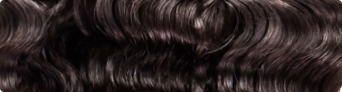
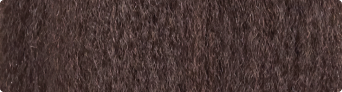


Hair extensions can give instant length and volume, particularly if you’re transitioning from relaxed back to natural hair and have some inconsistent texture. However, many hair extensions on the market today aren’t designed with textured hair in mind.
This can cause a really common problem for Black women: hair extensions that don’t blend. And, with so much advice online that isn’t written for Black, textured hair, you might be wondering where you can turn.
If any of this is resonating with you, you’ve come to the right place. This blog will explore the most common mistakes you might be making, why they happen, and how to fix them.
1. Choosing Extensions by Color First, Rather Than Texture
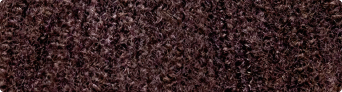
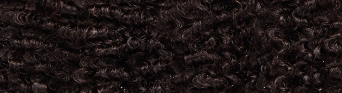
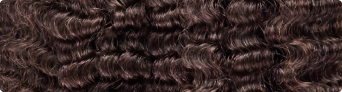
When it comes to matching extensions to Black hair, texture is key. The truth is that any amount of styling, cutting, or dying just won’t work if your hair extensions are the wrong texture for you, even if they’re a perfect color match.
The problem is, many extension brands lead with color matching first, so that’s often where people start. However, for natural hair, it’s your curl pattern that should form the foundation for everything else to be built on.
So, to avoid this, it’s important to know what your texture is and then search for hair extensions to match that texture. If you aren’t sure where you sit on the scale, we’ve got a free quiz to help you find out and make shopping for hair extensions feel less like an expensive game of trial-and-error.
2. Using Extensions That Won’t Blend Without Heat
Many extensions are designed to be straightened or curled to match your styled hair. But if you’re rocking your natural texture, heating your extensions into submission defeats the purpose. That’s why we use 100% ethically sourced and unprocessed hair in our range of extensions; they mimic your natural texture as soon as you put them in, without the need for added heat.
3. Installing Extensions in Your Hair Without Moisturizing It First
Black hair can look and behave differently depending on its moisture levels. Even if you’ve taken the care to pick the right texture, your extensions won’t match if your hair is dry and undefined.
So, make sure to define your natural curl pattern with your usual routine and/or products before you install your extensions. This will give your extensions a like-for-like base to blend in with seamlessly.
4. Getting the Placement Wrong
Getting your extensions in the right place can be tricky. If you go too low, too close to the hairline, or don’t section your hair properly, you’ll create a visible join between your natural hair and your extensions.
To avoid this, make sure to section your hair carefully, clip your extensions above your ears and well below your crown, and ensure you leave out enough natural hair to cover the join. For more on getting a seamless finish, check out our tips on blending in your extensions.
5. Expecting “Straight Hair” Extensions to Work on Your Natural Texture
Even today, most extension brands still cater exclusively to straight or loosely wavy hair. This has meant that Black women with natural hair have spent years struggling with products that were never built for them.
If you feel like you’ve tried everything with your extensions, it likely isn’t a technique problem; it’s a product problem, and you shouldn’t have to work this hard. That’s why we’re here, to put textured hair first. If you’d like more advice on how to keep your hair and your extensions in perfect condition and working at their best, head over to Heat Free Hair and view our Extension Care 101 page.