





When it comes to choosing hair extensions or wigs, quality is everything, especially if achieving a natural look and long-lasting results are the aim. And one of the easiest ways to get the outcome you seek is understanding the difference between virgin and processed hair.
Both options are a great way to enhance your style, but if you’re looking for extensions that match your natural texture, it’s important to know the variations in quality, longevity, and overall appearance.
What is Virgin Hair?
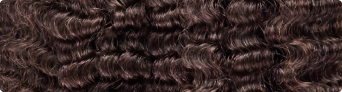
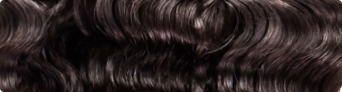
Virgin hair is 100% human hair that has all the cuticles intact and hasn’t been altered. This means it’s void of dye, bleach, or any type of chemical processing. Virgin hair is in its purest form, and therefore often comes in natural textures such as straight, wavy, or curly.
If you want extensions that blend seamlessly with your own hair, virgin hair offers a more authentic and natural finish, especially if you’re textured or curly haired.
What is Processed Hair?
On the other hand, processed hair has been chemically or mechanically treated to achieve a specific look, through coloring, perming, relaxing, or bleaching. Processed hair is often a popular choice because of its affordability and availability in a variety of colors and styles.
However, the integrity of the hair is often compromised due to the treatment it receives. Cuticles can be stripped or misaligned, which can increase tangling and dryness, and decrease the hair’s lifespan.
Why Quality Matters for Natural Textures
If you have natural or textured hair, the quality of your extensions is especially important. To achieve a matching curl pattern, a seamless blend, and maintain moisture, the hair must behave similarly to your own.
- Better Texture Matching
Virgin Hair: Keeps its natural pattern, so you can easily find extensions that closely match your own curls or waves.
Processed Hair: Isn’t as uniform and can lose its pattern over time, making blending more difficult.
- Longer Lifespan
Virgin Hair: When high-quality, can last a year or more with proper care.
Processed Hair: Typically has a much shorter lifespan of 4-6 months.
- Improved Moisture Retention
Virgin Hair: Has an intact cuticle layer making it better at retaining moisture - essential for natural textures that require more hydration.
Processed Hair: Can become dry and brittle after being used repeatedly.
- Styling Versatility
Virgin Hair: Offers flexibility as it can be heat-styled, colored, and treated in the same way as your natural hair.
Processed Hair: Lacks durability, becoming easily damaged with additional treatments.
Cost vs Value
It’s true that virgin hair is the more costly of the two options. However, the initial investment pays off over time, considering its longevity, natural appearance, and versatility.
With a lower cost price, processed hair can seem budget-friendly but with a short lifespan and high maintenance needs, it may end up being more expensive in the long run.
How to Choose the Right Option
Selecting the right hair for you narrows down to maintenance, lifestyle and desired look:
- Invest in virgin hair if you want a natural, long-lasting style, especially if you have curly or textured hair. Look for reputable suppliers such as Heat Free Hair, who guarantee cuticle-aligned, unprocessed human hair.
- Choose processed hair if you want to experiment with color or need a short-term style for a specific event.
Conclusion
The choice between virgin and processed hair ultimately comes down to what you need the most. Do you value a long-term, natural look or are you in need of a budget friendly, short-term style? In a world full of hair extensions, quality isn’t just a luxury; it’s the key to a flawless, long-lasting, natural look.