





For Black women in America, hair has never been just hair. It’s political, personal, protective, and powerful, weaving together these different aspects into one. The natural hair movement began as one rooted in pride and resistance and has since evolved to one built around the celebration of natural texture.
Extensions have played a significant role in this movement too, as tools of self-expression and confidence – they aren’t a departure from natural beauty, but simply an extension of it. Natural texture is no longer something to be “tamed”: it’s something to be embraced.
A Movement With its Roots in More Than “Just Hair”
When Angela Davis and Kathleen Cleaver, two prominent figures of the civil rights era of the 1960s, wore their hair in their natural, plump afros, they weren’t just celebrating their natural texture. They were also pointing out that sleek, smooth, and straightened hair was seen as the ideal only because of its proximity to whiteness.
The 20th century was largely dominated by Eurocentric beauty standards. These saw Black women face pressure to chemically straighten and heat-process their hair to be more “acceptable” in the workplace, in school, and in wider society. These processes were often expensive, not to mention painful, and basically forced Black women into boxes that didn’t fit them (and were never meant to).
At the turn of the 21st century, however, a new wave formed. Black women were encouraged, not dissuaded, to transition back to their natural hair. In 2012, Heat Free Hair joined the movement. We were founded by and for natural women, with one central mission: to celebrate texture, not conceal it. The movement has continued since, reaching a legal turning point in 2019 with the passing of the CROWN Act, which recognized that hair discrimination is racial discrimination.
Why Natural Hair Extensions are Part of the Story
Hair extensions may not have always been a central part of the natural hair conversation, but here’s why they should be. When designed for natural textures like yours, they are an act of choice, self-expression, and – quite literally – an extension of your natural beauty.
The problems arise when they aren’t designed for natural textures. And this has been precisely the problem for years. Previously, extensions were generally designed for straight or loosely wavy hair, and not for kinks, curls, or coils. This would often leave Black women struggling with extensions that didn’t blend, didn’t last, or required extensive heat styling (and damage) to work at all.
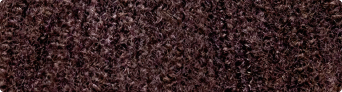
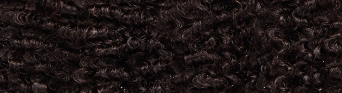
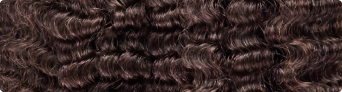
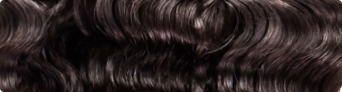
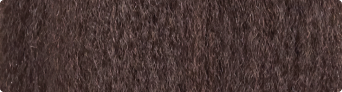
This is why Heat Free Hair was born. We designed and crafted our extensions from virgin, 100% ethically sourced hair, to match all Black hair textures, whether kinks, kurls, and koils. No heat or damaging chemicals required.
Empowerment is Personal (And That’s the Point)
For many Black women, their empowerment looks like the “big chop” and embracing their natural texture fully. For others, our customers among them, it might look more like achieving more length, volume, or versatility through extensions.
When it comes to how you choose to wear your hair, there are no wrong answers. The natural hair movement is, and always has been, about personal choice. It’s a break away from feeling pressured to style your hair in any particular way. Wherever you are on your own natural hair journey, we’re here for you.
To get started, why not take our 3-minute texture quiz? It’s free and will give you some pointers on which hair products might work best for you. No matter what style you choose, we’re here to help it look and feel just like you, only even more beautiful.