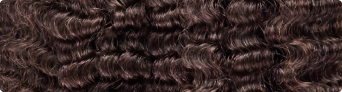
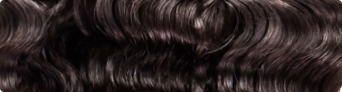
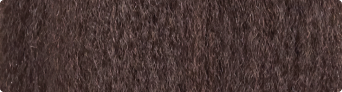
As the natural hair movement started to gain traction ten years ago, my client began expressing a desire to embrace their texture. For the first time in our culture, the curls and the kinks we were born with was seen as something beautiful. I wanted to create a way for women to transition using protective styles that didn't require heat or chemical processing. I envisioned a collection with the perfect match for any and every natural texture - one that would celebrate, not conceal, our unique beauty. In 2012, Heat Free Hair was born.
Today, over half a million women around the world have revealed the versatility in all that it means to be natural.
As the natural hair movement started to gain traction ten years ago, my client began expressing a desire to embrace their texture. For the first time in our culture, the curls and the kinks we were born with was seen as something beautiful. I wanted to create a way for women to transition using protective styles that didn't require heat or chemical processing. I envisioned a collection with the perfect match for any and every natural texture - one that would celebrate, not conceal, our unique beauty. In 2012, Heat Free Hair was born.
Today, over half a million women around the world have revealed the versatility in all that it means to be natural.
As the natural hair movement started to gain traction ten years ago, my client began expressing a desire to embrace their texture. For the first time in our culture, the curls and the kinks we were born with was seen as something beautiful. I wanted to create a way for women to transition using protective styles that didn't require heat or chemical processing. I envisioned a collection with the perfect match for any and every natural texture - one that would celebrate, not conceal, our unique beauty. In 2012, Heat Free Hair was born.
Today, over half a million women around the world have revealed the versatility in all that it means to be natural.
As the natural hair movement started to gain traction ten years ago, my client began expressing a desire to embrace their texture. For the first time in our culture, the curls and the kinks we were born with was seen as something beautiful. I wanted to create a way for women to transition using protective styles that didn't require heat or chemical processing. I envisioned a collection with the perfect match for any and every natural texture - one that would celebrate, not conceal, our unique beauty. In 2012, Heat Free Hair was born.
Today, over half a million women around the world have revealed the versatility in all that it means to be natural.
As the natural hair movement started to gain traction ten years ago, my client began expressing a desire to embrace their texture. For the first time in our culture, the curls and the kinks we were born with was seen as something beautiful. I wanted to create a way for women to transition using protective styles that didn't require heat or chemical processing. I envisioned a collection with the perfect match for any and every natural texture - one that would celebrate, not conceal, our unique beauty. In 2012, Heat Free Hair was born.
Today, over half a million women around the world have revealed the versatility in all that it means to be natural.
As the natural hair movement started to gain traction ten years ago, my client began expressing a desire to embrace their texture. For the first time in our culture, the curls and the kinks we were born with was seen as something beautiful. I wanted to create a way for women to transition using protective styles that didn't require heat or chemical processing. I envisioned a collection with the perfect match for any and every natural texture - one that would celebrate, not conceal, our unique beauty. In 2012, Heat Free Hair was born.
Today, over half a million women around the world have revealed the versatility in all that it means to be natural.
As the natural hair movement started to gain traction ten years ago, my client began expressing a desire to embrace their texture. For the first time in our culture, the curls and the kinks we were born with was seen as something beautiful. I wanted to create a way for women to transition using protective styles that didn't require heat or chemical processing. I envisioned a collection with the perfect match for any and every natural texture - one that would celebrate, not conceal, our unique beauty. In 2012, Heat Free Hair was born.
Today, over half a million women around the world have revealed the versatility in all that it means to be natural.
As the natural hair movement started to gain traction ten years ago, my client began expressing a desire to embrace their texture. For the first time in our culture, the curls and the kinks we were born with was seen as something beautiful. I wanted to create a way for women to transition using protective styles that didn't require heat or chemical processing. I envisioned a collection with the perfect match for any and every natural texture - one that would celebrate, not conceal, our unique beauty. In 2012, Heat Free Hair was born.
Today, over half a million women around the world have revealed the versatility in all that it means to be natural.
As the natural hair movement started to gain traction ten years ago, my client began expressing a desire to embrace their texture. For the first time in our culture, the curls and the kinks we were born with was seen as something beautiful. I wanted to create a way for women to transition using protective styles that didn't require heat or chemical processing. I envisioned a collection with the perfect match for any and every natural texture - one that would celebrate, not conceal, our unique beauty. In 2012, Heat Free Hair was born.
Today, over half a million women around the world have revealed the versatility in all that it means to be natural.
As the natural hair movement started to gain traction ten years ago, my client began expressing a desire to embrace their texture. For the first time in our culture, the curls and the kinks we were born with was seen as something beautiful. I wanted to create a way for women to transition using protective styles that didn't require heat or chemical processing. I envisioned a collection with the perfect match for any and every natural texture - one that would celebrate, not conceal, our unique beauty. In 2012, Heat Free Hair was born.
Today, over half a million women around the world have revealed the versatility in all that it means to be natural.
As the natural hair movement started to gain traction ten years ago, my client began expressing a desire to embrace their texture. For the first time in our culture, the curls and the kinks we were born with was seen as something beautiful. I wanted to create a way for women to transition using protective styles that didn't require heat or chemical processing. I envisioned a collection with the perfect match for any and every natural texture - one that would celebrate, not conceal, our unique beauty. In 2012, Heat Free Hair was born.
Today, over half a million women around the world have revealed the versatility in all that it means to be natural.
As the natural hair movement started to gain traction ten years ago, my client began expressing a desire to embrace their texture. For the first time in our culture, the curls and the kinks we were born with was seen as something beautiful. I wanted to create a way for women to transition using protective styles that didn't require heat or chemical processing. I envisioned a collection with the perfect match for any and every natural texture - one that would celebrate, not conceal, our unique beauty. In 2012, Heat Free Hair was born.
Today, over half a million women around the world have revealed the versatility in all that it means to be natural.
Experience your most effortless wig yet. Our
glueless, beginner-friendly, 3-in-1 half wigs are crafted for versatility with three effortless ways to wear and endless ways to love.
Having curly hair means you’re no stranger to tangles. It’s easy for curls to become entwined with one another, but separating them can be a whole different ball game. It is essential to keep natural hair detangled to maintain its health, length, and manageability. One of the benefits of regular detangling is that it helps to prevent knots and breakages by removing hairs that have shed and reducing matting.
Additionally, it allows products to be distributed evenly throughout your hair, making moisturizing and styling more effective. Proper detangling essentially makes life a lot easier and saves time. Styling becomes more manageable, resulting in a smoother finish, and wash days are less painful and time-consuming.
Ultimately, detangling supports length retention, reduces tangles, and contributes to healthier, more defined curls and coils over time. Done gently, detangling can preserve the hair’s strength and elasticity.
How to Detangle Natural Hair
Tools:
Wide-Tooth Comb – Stay away from fine-toothed combs and invest in the wide-toothed option. They are ideal for gently detangling without breaking the hair.
Detangling Brush (e.g., Tangle Teezer) – Designed to glide through curls and coils with minimal snagging, these brushes are favored over brushes with bristles that can cause major damage.
Fingers – The simplest and easiest tool of all, finger detangling is the gentlest method and helps you feel and avoid knots.
Spray Bottle with Water – Invest in a quality spray bottle that can evenly cover your hair with moisture. It helps rehydrate and soften hair before detangling.
Leave-In Conditioner/Detangler – These products add slip to help combs and brushes glide through easily, reducing the risk of breakage.
Clips or Hair Bands – These accessories come in handy when sectioning the hair to keep detangled parts separate.
Techniques:
Detangle on Damp or Wet Hair – Be sure to hydrate your hair when detangling. Attempting to do so while it’s dry can lead to breakage.
Use Products with Slip – As well as having damp or wet hair, you should always apply a conditioner, moisturizing hair cream, or detangling spray to reduce friction and soften the hair.
Work in Small Sections – Dividing your hair into sections makes detangling more manageable. Working on smaller parts at a time will stop you from becoming overwhelmed and will also avoid re-tangling.
Start from the Ends – Detangling from the ends and working your way up to the roots may seem back to front, but it is, in fact, the better option. Starting at the roots can induce aggressive pulling of the hair, causing unnecessary damage.
Have Extra hydration to Hand – Even though you may have already dampened your hair, it’s always handy to keep a spray bottle nearby. Detangling can be a long process, and your strands may start to dry out. Spritz with water as and when needed.
Take Your Time and be Gentle – You’re not in a race, so be patient with your hair and yourself. Avoid ripping through knots as this can cause breakages and damage your strands. Instead, add more product and/or water if required and gently loosen them with your fingers. Learn more at Heat Free Hair today.