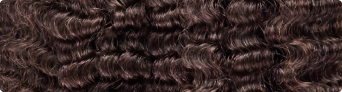
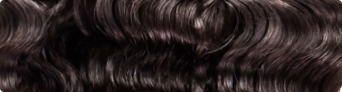
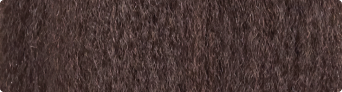
As the natural hair movement started to gain traction ten years ago, my client began expressing a desire to embrace their texture. For the first time in our culture, the curls and the kinks we were born with was seen as something beautiful. I wanted to create a way for women to transition using protective styles that didn't require heat or chemical processing. I envisioned a collection with the perfect match for any and every natural texture - one that would celebrate, not conceal, our unique beauty. In 2012, Heat Free Hair was born.
Today, over half a million women around the world have revealed the versatility in all that it means to be natural.
As the natural hair movement started to gain traction ten years ago, my client began expressing a desire to embrace their texture. For the first time in our culture, the curls and the kinks we were born with was seen as something beautiful. I wanted to create a way for women to transition using protective styles that didn't require heat or chemical processing. I envisioned a collection with the perfect match for any and every natural texture - one that would celebrate, not conceal, our unique beauty. In 2012, Heat Free Hair was born.
Today, over half a million women around the world have revealed the versatility in all that it means to be natural.
As the natural hair movement started to gain traction ten years ago, my client began expressing a desire to embrace their texture. For the first time in our culture, the curls and the kinks we were born with was seen as something beautiful. I wanted to create a way for women to transition using protective styles that didn't require heat or chemical processing. I envisioned a collection with the perfect match for any and every natural texture - one that would celebrate, not conceal, our unique beauty. In 2012, Heat Free Hair was born.
Today, over half a million women around the world have revealed the versatility in all that it means to be natural.
As the natural hair movement started to gain traction ten years ago, my client began expressing a desire to embrace their texture. For the first time in our culture, the curls and the kinks we were born with was seen as something beautiful. I wanted to create a way for women to transition using protective styles that didn't require heat or chemical processing. I envisioned a collection with the perfect match for any and every natural texture - one that would celebrate, not conceal, our unique beauty. In 2012, Heat Free Hair was born.
Today, over half a million women around the world have revealed the versatility in all that it means to be natural.
As the natural hair movement started to gain traction ten years ago, my client began expressing a desire to embrace their texture. For the first time in our culture, the curls and the kinks we were born with was seen as something beautiful. I wanted to create a way for women to transition using protective styles that didn't require heat or chemical processing. I envisioned a collection with the perfect match for any and every natural texture - one that would celebrate, not conceal, our unique beauty. In 2012, Heat Free Hair was born.
Today, over half a million women around the world have revealed the versatility in all that it means to be natural.
As the natural hair movement started to gain traction ten years ago, my client began expressing a desire to embrace their texture. For the first time in our culture, the curls and the kinks we were born with was seen as something beautiful. I wanted to create a way for women to transition using protective styles that didn't require heat or chemical processing. I envisioned a collection with the perfect match for any and every natural texture - one that would celebrate, not conceal, our unique beauty. In 2012, Heat Free Hair was born.
Today, over half a million women around the world have revealed the versatility in all that it means to be natural.
As the natural hair movement started to gain traction ten years ago, my client began expressing a desire to embrace their texture. For the first time in our culture, the curls and the kinks we were born with was seen as something beautiful. I wanted to create a way for women to transition using protective styles that didn't require heat or chemical processing. I envisioned a collection with the perfect match for any and every natural texture - one that would celebrate, not conceal, our unique beauty. In 2012, Heat Free Hair was born.
Today, over half a million women around the world have revealed the versatility in all that it means to be natural.
As the natural hair movement started to gain traction ten years ago, my client began expressing a desire to embrace their texture. For the first time in our culture, the curls and the kinks we were born with was seen as something beautiful. I wanted to create a way for women to transition using protective styles that didn't require heat or chemical processing. I envisioned a collection with the perfect match for any and every natural texture - one that would celebrate, not conceal, our unique beauty. In 2012, Heat Free Hair was born.
Today, over half a million women around the world have revealed the versatility in all that it means to be natural.
As the natural hair movement started to gain traction ten years ago, my client began expressing a desire to embrace their texture. For the first time in our culture, the curls and the kinks we were born with was seen as something beautiful. I wanted to create a way for women to transition using protective styles that didn't require heat or chemical processing. I envisioned a collection with the perfect match for any and every natural texture - one that would celebrate, not conceal, our unique beauty. In 2012, Heat Free Hair was born.
Today, over half a million women around the world have revealed the versatility in all that it means to be natural.
As the natural hair movement started to gain traction ten years ago, my client began expressing a desire to embrace their texture. For the first time in our culture, the curls and the kinks we were born with was seen as something beautiful. I wanted to create a way for women to transition using protective styles that didn't require heat or chemical processing. I envisioned a collection with the perfect match for any and every natural texture - one that would celebrate, not conceal, our unique beauty. In 2012, Heat Free Hair was born.
Today, over half a million women around the world have revealed the versatility in all that it means to be natural.
As the natural hair movement started to gain traction ten years ago, my client began expressing a desire to embrace their texture. For the first time in our culture, the curls and the kinks we were born with was seen as something beautiful. I wanted to create a way for women to transition using protective styles that didn't require heat or chemical processing. I envisioned a collection with the perfect match for any and every natural texture - one that would celebrate, not conceal, our unique beauty. In 2012, Heat Free Hair was born.
Today, over half a million women around the world have revealed the versatility in all that it means to be natural.
As the natural hair movement started to gain traction ten years ago, my client began expressing a desire to embrace their texture. For the first time in our culture, the curls and the kinks we were born with was seen as something beautiful. I wanted to create a way for women to transition using protective styles that didn't require heat or chemical processing. I envisioned a collection with the perfect match for any and every natural texture - one that would celebrate, not conceal, our unique beauty. In 2012, Heat Free Hair was born.
Today, over half a million women around the world have revealed the versatility in all that it means to be natural.
Experience your most effortless wig yet. Our
glueless, beginner-friendly, 3-in-1 half wigs are crafted for versatility with three effortless ways to wear and endless ways to love.
The Ultimate Guide to Blending Clip-Ins With 4B Hair (Without Heat Damage)
Key Takeaways: Blending your clip-in extensions comes down to choosing the right texture, prepping your natural hair properly, and using good installation techniques
Clip-in hair extensions are a great way of giving yourself instantly longer and thicker hair. Whether you’re growing out your natural hair and want an idea of what your hair might look like, or just want to try out a fresh new look, clip-in extensions are a useful tool to have in your toolkit. However, if you’re a newbie, getting clip-ins to blend seamlessly with the rest of your natural hair can be a pretty steep learning curve.
Fear not: you can do it, and this blog will show you how to blend clip-ins with 4B hair. From choosing the right texture and prepping your hair, to heatless blending methods and daily maintenance tips, we’ll walk you through everything you need to know to get brilliant results with your 4B hair every time.
Choosing the Right Texture Match (Coily, Kinky-Coily, and Blown-Out 4B Hair)
The first and most important step in getting the best results from your clip-in extensions is to choose the right texture. So, get familiar with your hair’s natural texture and curl pattern before shopping for new clip-ins. There are so many options available on the market today, which is great, but if you aren’t exactly sure what you’re looking for, it can feel a bit overwhelming. So, first work out what texture you have, then simply find clip-ins to match that texture. If you wear your 4B hair naturally, you’ll want coily or kinky-coily clip-ins. If you rock a blow-out, you’ll want blown-out clip-ins (if you want to avoid heat styling them).
If you aren’t totally sure which texture you have, why not take our free 3-minute quiz to find out?
Prepping Your Natural Hair: Hydration, Stretch Techniques, and Braid-Down Foundations
Once you’ve worked out your hair’s natural texture, the next step is to prep it. 4B hair is at the coarser end of the texture scale, meaning it is naturally drier and more susceptible to heat damage. If you’re going for a blown-out look, be sure to use a generous amount of heat protectant to lock in moisture and stop your hair from drying out too much.
There are two main methods for installing clip-ins: the loose hair method and the braid-down method. Many people with 4B hair opt for the braid-down method, as this keeps the majority of their hair protected from the elements, minimizing the risk of breakage. If you do braid or twist your natural hair, don’t forget your leave-out: this tends to be the hair around your face and on top of your head, which can be blended with your extensions to create a more natural look.
Seamless Installation: Placement Strategies to Hide Tracks and Leave-Out
Whether you’re layering your extensions with your natural hair or clipping them onto a braid-down foundation, section your hair horizontally from the nape of your neck upwards and clip in the extensions close to your scalp. Steer clear of the crown of your head or your hairline, as the clips of the clip-ins will be easily visible; instead, place them a few inches away from these areas. Your leave-out will cover them seamlessly.
FAQs
What is 4B Hair?
4B hair is categorized by its tightly coiled curls (corkscrews) or kinks (zigzags), and a coarse, dense texture that can hold styles well.
How can I Maintain my Clip-Ins?
You can wear your clip-ins all day, but be sure to take them out before you go to sleep at night. To keep them looking perfect, use heat protectant and a light-hold hair spray to tame any flyaways.