As the natural hair movement started to gain traction ten years ago, my client began expressing a desire to embrace their texture. For the first time in our culture, the curls and the kinks we were born with was seen as something beautiful. I wanted to create a way for women to transition using protective styles that didn't require heat or chemical processing. I envisioned a collection with the perfect match for any and every natural texture - one that would celebrate, not conceal, our unique beauty. In 2012, Heat Free Hair was born.
Today, over half a million women around the world have revealed the versatility in all that it means to be natural.
As the natural hair movement started to gain traction ten years ago, my client began expressing a desire to embrace their texture. For the first time in our culture, the curls and the kinks we were born with was seen as something beautiful. I wanted to create a way for women to transition using protective styles that didn't require heat or chemical processing. I envisioned a collection with the perfect match for any and every natural texture - one that would celebrate, not conceal, our unique beauty. In 2012, Heat Free Hair was born.
Today, over half a million women around the world have revealed the versatility in all that it means to be natural.
As the natural hair movement started to gain traction ten years ago, my client began expressing a desire to embrace their texture. For the first time in our culture, the curls and the kinks we were born with was seen as something beautiful. I wanted to create a way for women to transition using protective styles that didn't require heat or chemical processing. I envisioned a collection with the perfect match for any and every natural texture - one that would celebrate, not conceal, our unique beauty. In 2012, Heat Free Hair was born.
Today, over half a million women around the world have revealed the versatility in all that it means to be natural.
As the natural hair movement started to gain traction ten years ago, my client began expressing a desire to embrace their texture. For the first time in our culture, the curls and the kinks we were born with was seen as something beautiful. I wanted to create a way for women to transition using protective styles that didn't require heat or chemical processing. I envisioned a collection with the perfect match for any and every natural texture - one that would celebrate, not conceal, our unique beauty. In 2012, Heat Free Hair was born.
Today, over half a million women around the world have revealed the versatility in all that it means to be natural.
As the natural hair movement started to gain traction ten years ago, my client began expressing a desire to embrace their texture. For the first time in our culture, the curls and the kinks we were born with was seen as something beautiful. I wanted to create a way for women to transition using protective styles that didn't require heat or chemical processing. I envisioned a collection with the perfect match for any and every natural texture - one that would celebrate, not conceal, our unique beauty. In 2012, Heat Free Hair was born.
Today, over half a million women around the world have revealed the versatility in all that it means to be natural.
As the natural hair movement started to gain traction ten years ago, my client began expressing a desire to embrace their texture. For the first time in our culture, the curls and the kinks we were born with was seen as something beautiful. I wanted to create a way for women to transition using protective styles that didn't require heat or chemical processing. I envisioned a collection with the perfect match for any and every natural texture - one that would celebrate, not conceal, our unique beauty. In 2012, Heat Free Hair was born.
Today, over half a million women around the world have revealed the versatility in all that it means to be natural.
As the natural hair movement started to gain traction ten years ago, my client began expressing a desire to embrace their texture. For the first time in our culture, the curls and the kinks we were born with was seen as something beautiful. I wanted to create a way for women to transition using protective styles that didn't require heat or chemical processing. I envisioned a collection with the perfect match for any and every natural texture - one that would celebrate, not conceal, our unique beauty. In 2012, Heat Free Hair was born.
Today, over half a million women around the world have revealed the versatility in all that it means to be natural.
As the natural hair movement started to gain traction ten years ago, my client began expressing a desire to embrace their texture. For the first time in our culture, the curls and the kinks we were born with was seen as something beautiful. I wanted to create a way for women to transition using protective styles that didn't require heat or chemical processing. I envisioned a collection with the perfect match for any and every natural texture - one that would celebrate, not conceal, our unique beauty. In 2012, Heat Free Hair was born.
Today, over half a million women around the world have revealed the versatility in all that it means to be natural.
As the natural hair movement started to gain traction ten years ago, my client began expressing a desire to embrace their texture. For the first time in our culture, the curls and the kinks we were born with was seen as something beautiful. I wanted to create a way for women to transition using protective styles that didn't require heat or chemical processing. I envisioned a collection with the perfect match for any and every natural texture - one that would celebrate, not conceal, our unique beauty. In 2012, Heat Free Hair was born.
Today, over half a million women around the world have revealed the versatility in all that it means to be natural.
As the natural hair movement started to gain traction ten years ago, my client began expressing a desire to embrace their texture. For the first time in our culture, the curls and the kinks we were born with was seen as something beautiful. I wanted to create a way for women to transition using protective styles that didn't require heat or chemical processing. I envisioned a collection with the perfect match for any and every natural texture - one that would celebrate, not conceal, our unique beauty. In 2012, Heat Free Hair was born.
Today, over half a million women around the world have revealed the versatility in all that it means to be natural.
As the natural hair movement started to gain traction ten years ago, my client began expressing a desire to embrace their texture. For the first time in our culture, the curls and the kinks we were born with was seen as something beautiful. I wanted to create a way for women to transition using protective styles that didn't require heat or chemical processing. I envisioned a collection with the perfect match for any and every natural texture - one that would celebrate, not conceal, our unique beauty. In 2012, Heat Free Hair was born.
Today, over half a million women around the world have revealed the versatility in all that it means to be natural.
As the natural hair movement started to gain traction ten years ago, my client began expressing a desire to embrace their texture. For the first time in our culture, the curls and the kinks we were born with was seen as something beautiful. I wanted to create a way for women to transition using protective styles that didn't require heat or chemical processing. I envisioned a collection with the perfect match for any and every natural texture - one that would celebrate, not conceal, our unique beauty. In 2012, Heat Free Hair was born.
Today, over half a million women around the world have revealed the versatility in all that it means to be natural.
Experience your most effortless wig yet. Our
glueless, beginner-friendly, 3-in-1 half wigs are crafted for versatility with three effortless ways to wear and endless ways to love.
The Complete Natural Hair Extension Texture Guide: From 3B to 4C
Key Takeaways: First, identify your curl pattern by cleansing your hair and letting it dry naturally. Combine this information with how you style your hair to find the right extensions that work with your hair for a natural look.
If you want to achieve a seamless, natural look, choosing the right hair extensions is key. In this guide we’ll explain why it’s important to match your curl pattern, porosity and preferred styling method. You’ll learn that Yaki textures are a great option for blown-out or straightened natural hair and why springy 3B curls benefit from Kinky Curly textures while tightly coiled 4C strands are better suited to Coily and Afro Kinky textures.
We’ll discuss how to identify your natural curl pattern and porosity, and how kinky curly hair clip ins, weaves, tape-ins and wigs each offer different benefits depending on your texture and styling needs.
We’re here to guide you on how to find extensions to suit the texture and needs of your hair.
Natural-looking extensions are designed to complement the various curl patterns:
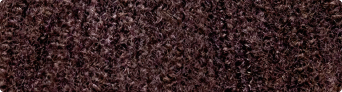
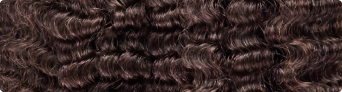
Kinky Curly: Defined, springy curls that work beautifully with 3B–3C hair.
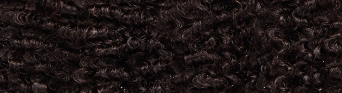
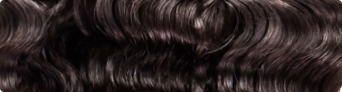
Coily: Tighter, compact curls that are particularly suitable for 4A and some 4B hair.
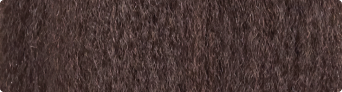
Afro Kinky: A fuller, denser appearance, mimicking tightly coiled or blown-out natural hair. A popular choice for 4B–4C textures.
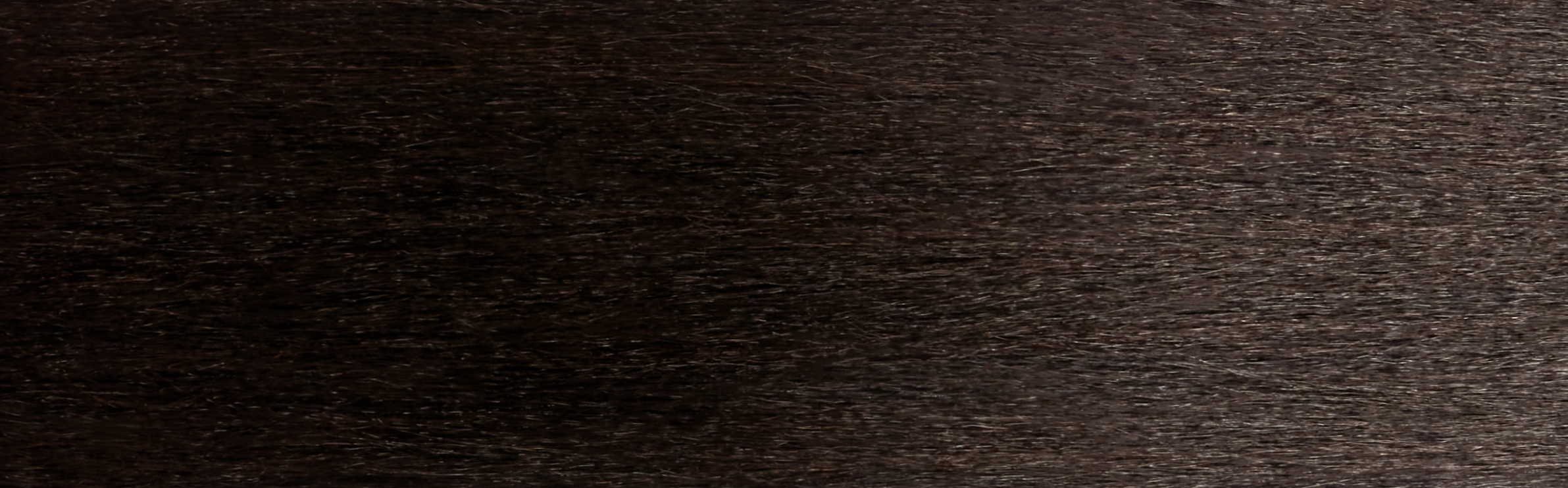
Yaki: A straighter, textured finish that imitates chemically relaxed or heat-stretched natural hair. Useful for natural hair that has been straightened.
How to Accurately Identify Your Natural Curl Pattern and Porosity
To get the right extensions for your hair, you must know what your curl pattern is. The easiest way to identify it is to cleanse your hair and leave it to air dry, free from products. Examine individuals strands rather than judging your entire head, as it’s common to have more than one texture:
3B Hair: Defined, springy ringlets.
3C Hair: Tighter, more densely packed curls.
4A Hair: Clearly defined coils.
4B Hair: Tighter, less uniform pattern.
4C Hair: Very tight coils with less visible definition and considerable shrinkage.
Porosity is another key factor. Low-porosity hair is resistant to moisture, while high-porosity hair soaks it up quickly but lets it go just as fast.
Both characteristics are important when selecting extensions, products and establishing a maintenance routine.
Matching Extension Textures to Blown-Out vs Defined Natural Hair
Sometimes it’s not just our curl pattern that defines our extension choice, but how we style our natural hair.
Curls defined with gel or curl creams, need extensions with similar curl patterns and density.
Stretched or blown-out styles blend best with kinky straight, Afro Kinky or Yaki textures.
Curly styles should be matched with extensions that shrink comparably when wet.
Matching your hair and extensions will avoid an extension section that looks noticeably different.
The Best Extension Methods (Clip-ins, Weaves, Tape-ins, Wigs) for Each Texture Type
Clip-Ins: Ideal for when you want to temporarily add volume or change up your style. Works with all hair textures once the extension pattern matches the finished style.
Weaves: Provides excellent protection and versatility for thicker, coily textures, once properly installed and maintained.
Tape-Ins: A lightweight option, suitable for all hair textures. Should be installed paying attention to the strength and density of your natural hair.
Wigs: Offer maximum versatility for all types, allowing you to change textures without manipulating your natural hair.
How Extension Quality Affects Blending and Longevity
Any natural hair extension texture guide will tell you that quality is key when it comes to long lasting, beautiful natural extensions. And high-quality human hair provides just that. From better movement to flexible styling these extensions have consistent texture from root to tip, minimal shedding and a natural-looking finish.
Handle with care and avoid excessive heat to preserve both the extensions and your natural hair. When maintained properly, quality human hair offers a flawless, natural-looking blend.
FAQs
Can I mix Different Extension Textures With my Natural Hair?
Yes! Mixing textures can work beautifully. The key is to choose textures that are close in density and curl structure, then style together with your natural hair.
How do I Make Natural Hair Extensions Blend Better With 4C Hair?
For 4C hair, choose dense textures such as Afro Kinky or tightly coiled extensions. Match the extension’s density, not just its curl pattern, to achieve a full, natural-looking result.